
Editor: 陈诺 Author: Time: 2026-08-06 Number of visits :10
This summer, 13 undergraduate students from Zhejiang University’s School of Earth Sciences ventured into the Southeastern Alps of Italy for an immersive field course unlike any classroom experience. Led by Professors Rong Yang and Suqing Deng, and guided by ETH Zurich’s Professor Vincenzo Picotti, the team spent July 15–31 deciphering a landscape that holds some of geology’s most important stories and its most sobering lessons.
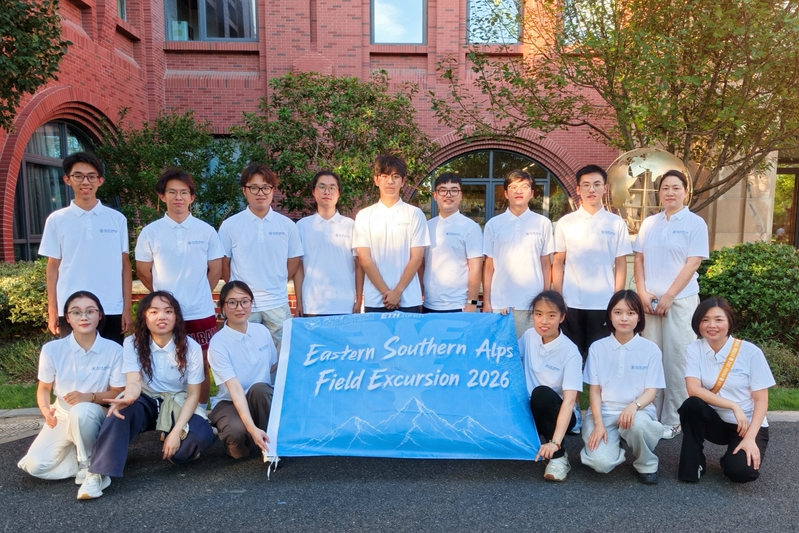
Figure 1: The team at the School of Earth Sciences building before departure.
Learning to Read the Landscape
The course began with a simple task: learning to see. In the hills of Conegliano, Professor Picotti taught students to extract tectonic signals from topography. “The landscape is an open book,” he told them. “Your job is to learn its language.”
At the Montello anticline, they encountered that language in its rawest form: a dry “wind gap” abandoned by a river defeated by uplift, and an active “water gap” where erosion still held its ground—a competition between tectonics and rivers frozen in stone.
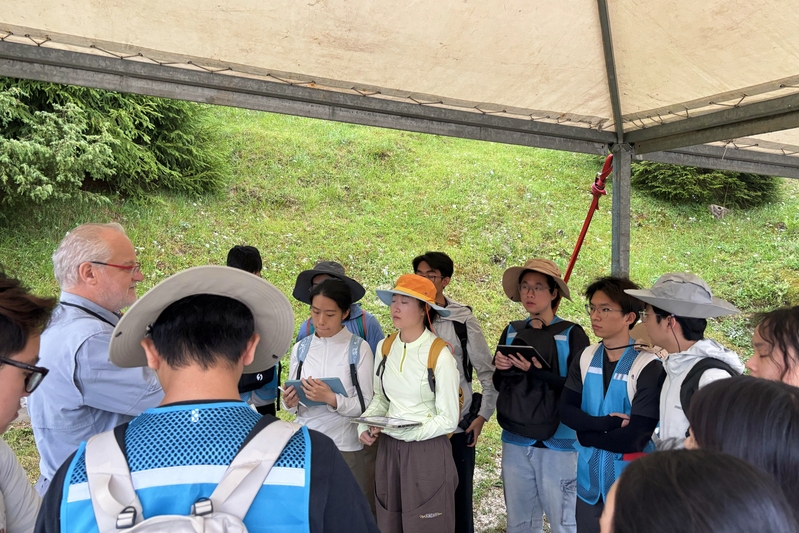
Figure 2: Students listen to Professor Picotti’s first field lecture.
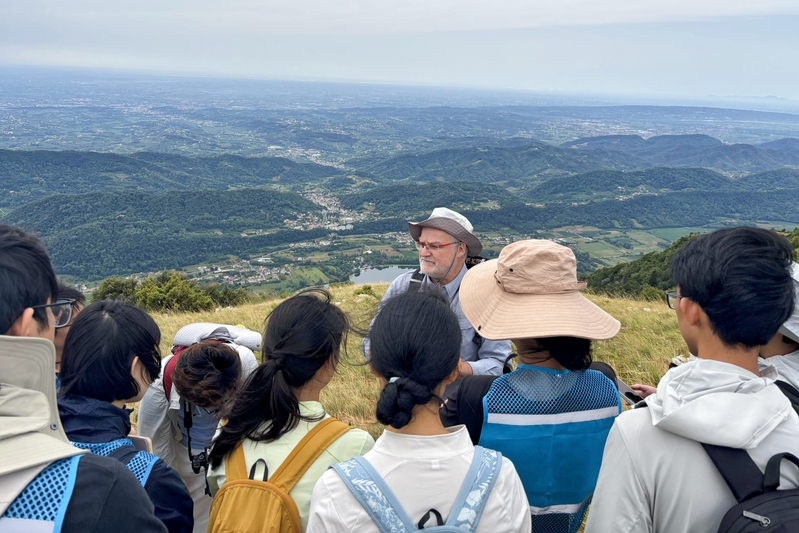
Figure 3: Professor Picotti explains landscape features.
A Harder Lesson at Vajont
On July 20, the tone shifted. The team arrived at the Vajont Dam.
In 1963, a 270-million-cubic-meter landslide plunged into the reservoir at a speed far exceeding prediction. The displaced water surged over the dam, killing nearly 2,000 people. Standing before the scar, Professor Picotti reconstructed the chain of events: the young geologist who had identified the ancient landslide, the ignored warnings, the catastrophic miscalculation. The students fell silent.
“Geology isn’t just about rocks,” one student reflected. “It’s about where we build our homes. It’s about life and death.”
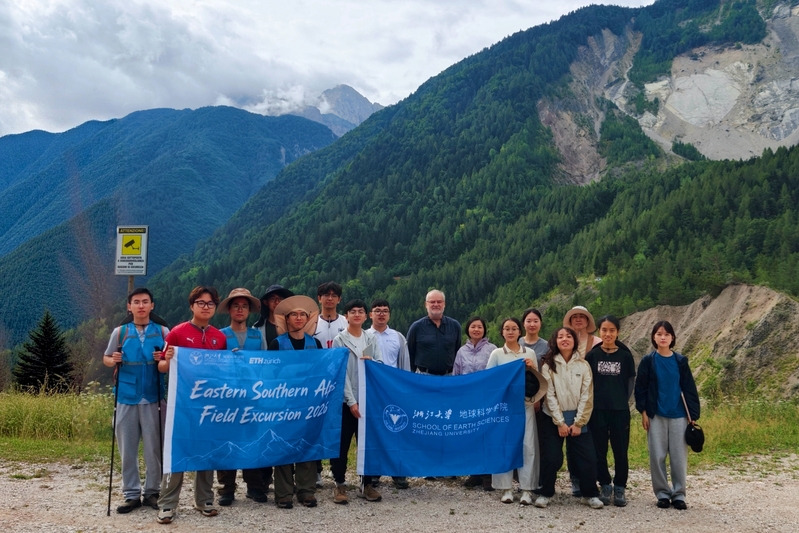
Figure 4: The Vajont Dam landslide scar.
The Dolomites: Beauty and Discovery
From tragedy, the journey rose into the spectacular Dolomites, a UNESCO World Heritage site of jagged limestone peaks and alpine meadows. It was here that 19th-century geologists first proposed “facies heteropy,” the radical idea that entirely different rock types could form simultaneously in adjacent environments. At Passo Giau, students touched that concept: steeply dipping clinoforms from an ancient shallow-water platform lay juxtaposed against deep-water basin sediments—coral reefs and siliceous mud, once neighbors in the same Triassic sea.
The following day at Sella Pass and Col Rodella, the story shifted from quiet sedimentation to violent volcanism. Students identified pillow basalts, sills intruding into limestone, and volcaniclastic sandstones rich in pyroxene and feldspar fragments. Professor Picotti explained how porphyritic textures record crystallization depths and how mineral assemblages reveal the composition of parent magmas—linking the region's carbonate platforms to the submarine volcanic events that shaped its Triassic paleogeography.
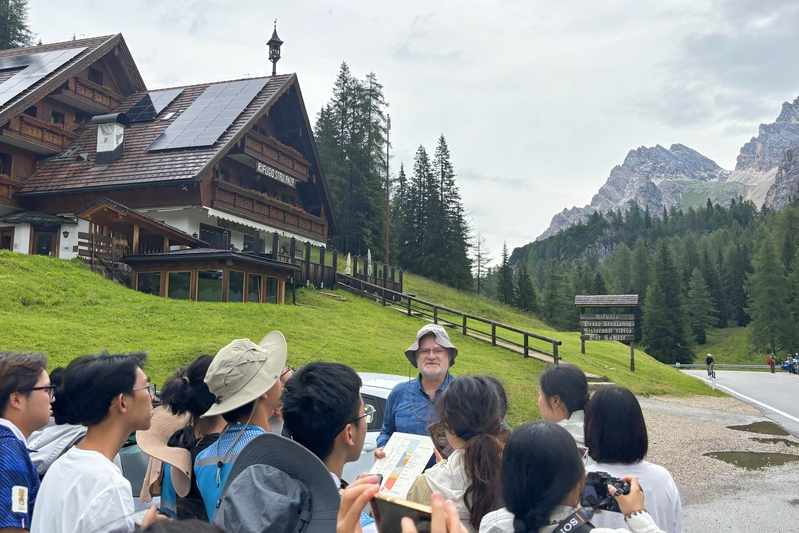
Figure 5: The team enters the Dolomites.
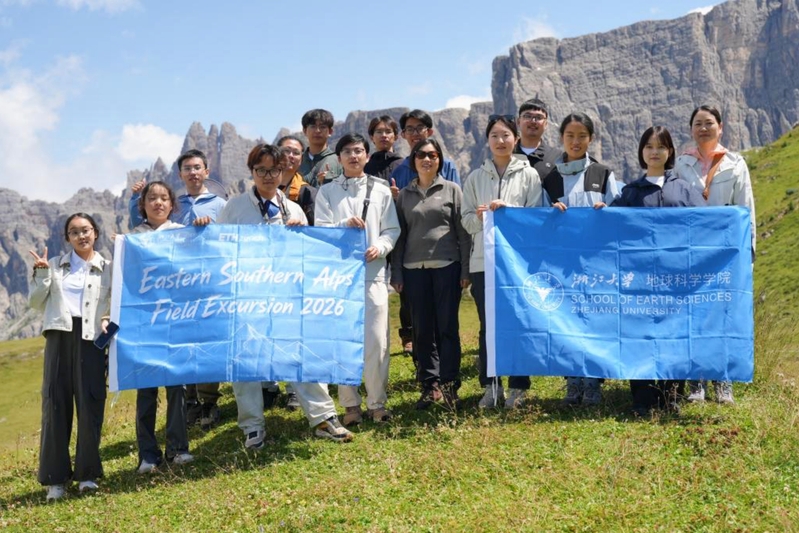
Figure 6: A group photo in the Dolomites, July 21.
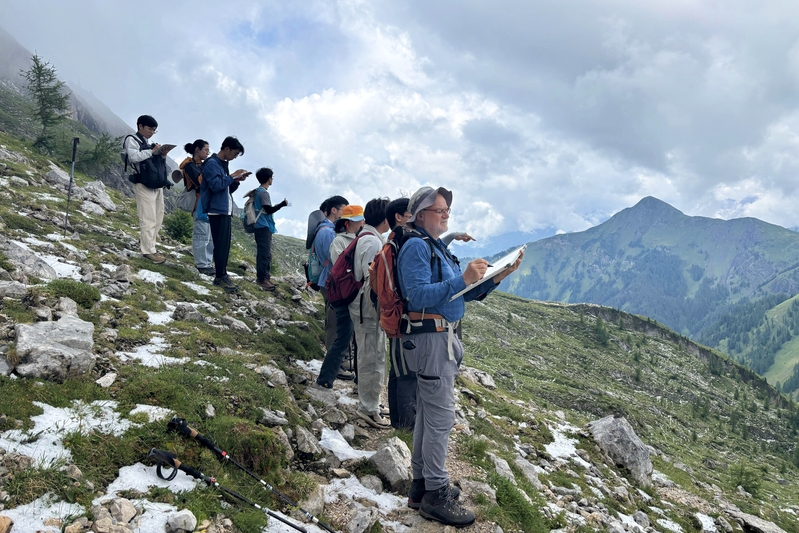
Figure 7: Students collaborate on a geological sketch.
Debates Frozen in Stone
At the Monte Monzoni’s Canzoccoli quarry, students witnessed a piece of geology’s own history. An intrusion had baked surrounding dolomite into brucite marble—a spatial transition that once provided decisive evidence for the “Plutonists” in their 19th-century battle against the “Neptunists.” On the final field day at Monte Zenone, Professor Picotti distinguished two dolomitization mechanisms, reminding them: “The value of science often lies in the details of difference.”
Along a stream valley profile, the team traced a stratigraphic journey from the Permian to the Middle Triassic: from welded ignimbrites with flame-shaped fiamme, through fluvial sandstones with crossbedding and root traces, to the carbonate platforms of the Contrin Dolomite. Professor Picotti highlighted how pedogenic carbonates serve as evidence of ancient soils—and revealed that this very landscape of Permian red beds now serves as a terrestrial analog site for Mars surface research, its arid fluvial and eolian features offering a glimpse of processes on another planet.
On the final field day at Monte Zenone, Professor Picotti distinguished two dolomitization mechanisms, reminding them: The value of science often lies in the details of difference.
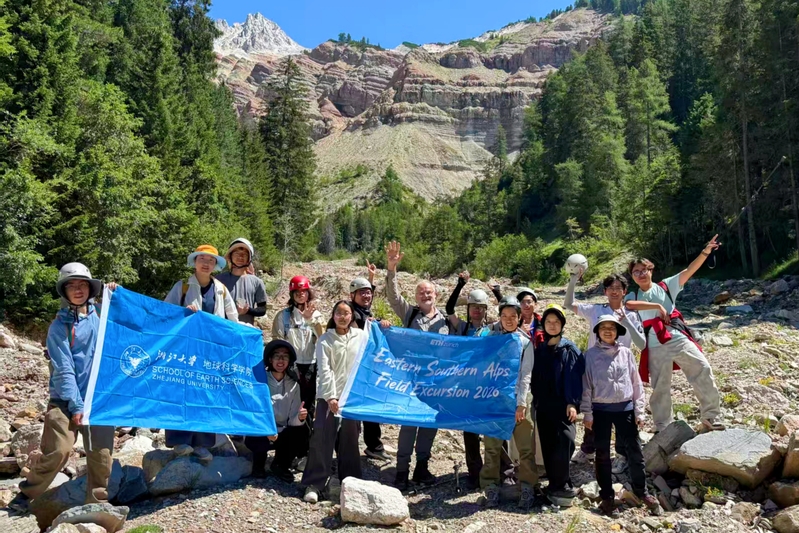
Figure 8: The team after a stream valley profile investigation.
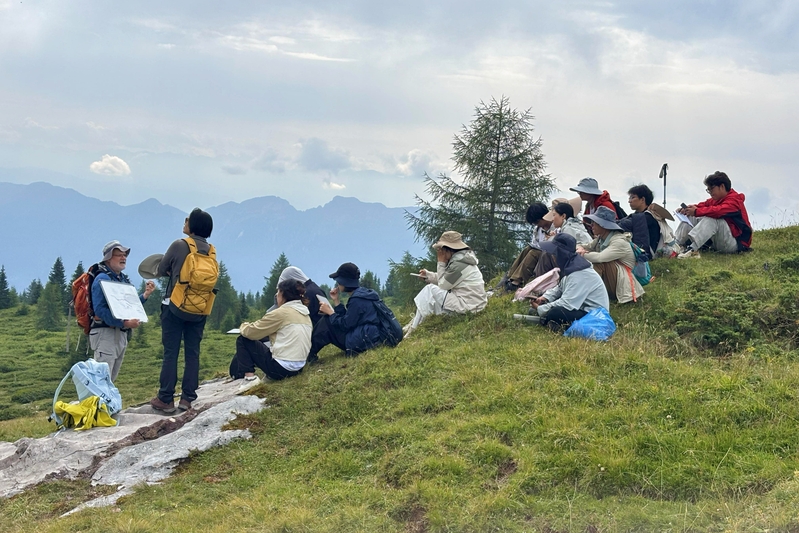
Figure 9: Professor Picotti lectures at Pian de la Nana, July 26.
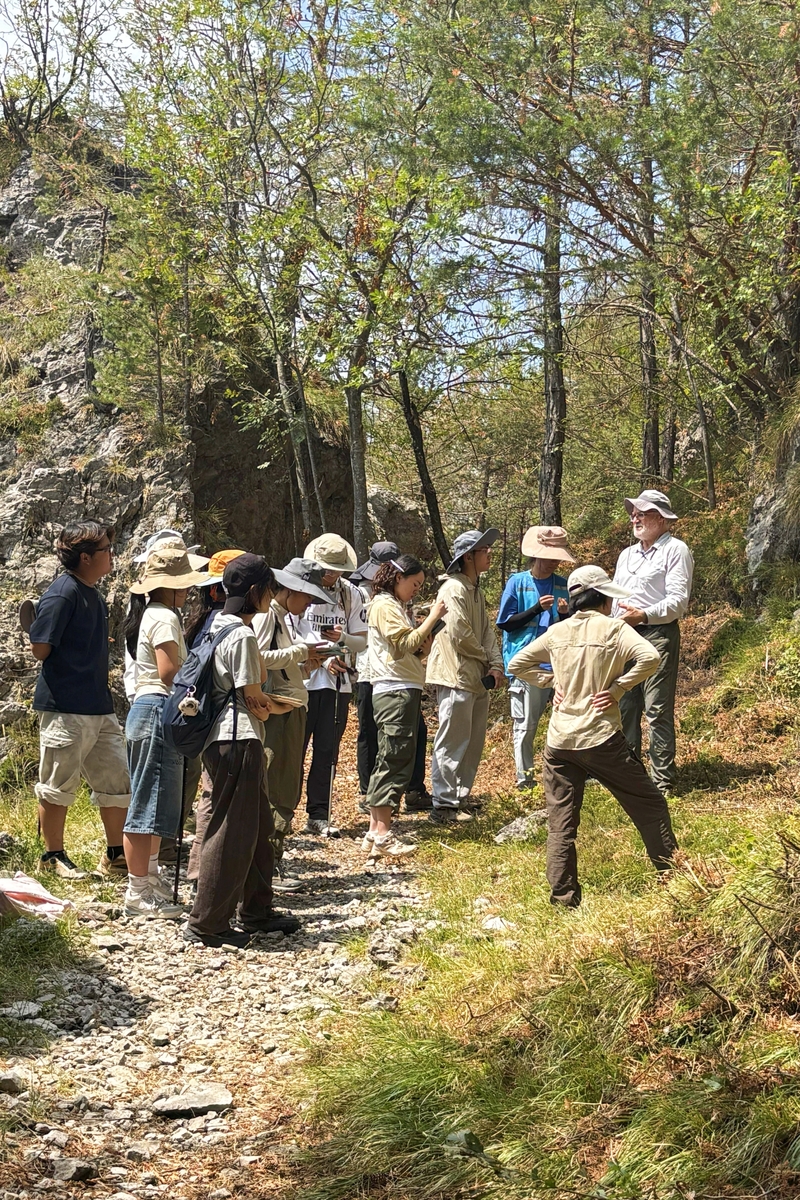
Figure 10: Professor Picotti explains dolomitization mechanisms, July 28.
Returning Home
On July 29, the teams presented their independent findings in English. A visit to Venice followed, a city founded on the very foreland basin they had studied, a quiet reminder of how geology shapes civilization. On July 31, the team returned to Hangzhou, field notebooks full, a spark lit by the mountains.
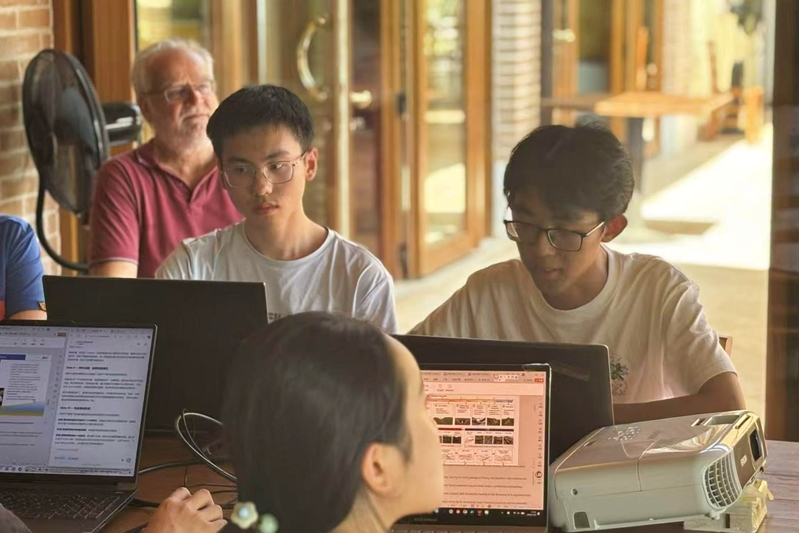
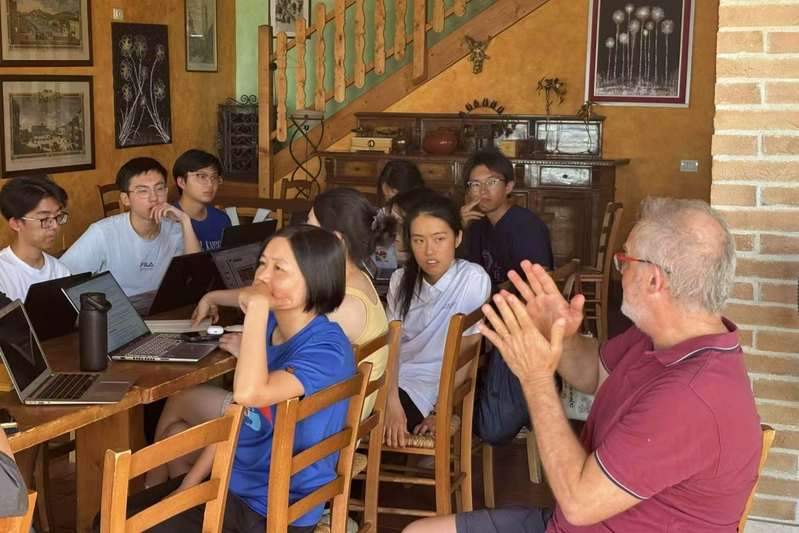
Figure 11 &12: Final group presentations, July 29.
The rocks of the Alps will continue their silent testimony. But for these thirteen ZJU students, the language of the Earth has found new readers—and their journey has only just begun.

 Add: No. 1 Hainayuan Building, Zijingang Campus, Zhejiang University,
 Tel: +86-571-87953269
 Fax: +86-571-87952875
 Email:
jiaxie@zju.edu.cn
Email:
jiaxie@zju.edu.cn